Close
Language
Scroll to
2025 OverviewForewordThe real peacemakers of 2025a new strategy for peaceour financeGet InvolvedThanksDonateLearn more about our work at
Peacedirect.org


PARTNERS
MICROGRANTEES
OTHER SUPPORT

COUNTRIES
PARTNERS

12 countries
MICROGRANTS
26 countries
areas of work
Total funding to peacebuilders in 2025:
GBP

Partner Organisations
GBP 2,381,413,366
MICROGRANTS


EMERGENCY FUNDING
GBP 317,366

2025 will be remembered as the year when the international aid system came crashing down. The wilful destruction of USAID was followed by sweeping cuts to overseas aid by governments across Europe. Some peacebuilders had 70% of their funding stripped away overnight.
But the need for peacebuilding didn’t disappear with the money. Far from it. Which is why, in 2025, we supported 76 local peacebuilding organisations across 33 different countries, the highest number in almost five years.
Our partners saved lives, bridged divides and prevented violence every day. They amplified young women’s voices in peace processes, delivered lifesaving care, created community-based justice approaches that ended cycles of conflict, and more. But they seldom have the chance to tell their stories.
So, as we confront the division being sown by right wing populists and powerful governments in 2026, we look to the stories that don’t make the headlines. Stories of hope, community, and a relentless commitment to peace. Join us. Their work needs your support.

What does it mean to be a peacemaker? In 2025, even the US President tried to claim the title. We think that building lasting peace doesn’t mean airstrikes or real estate proposals, but working tirelessly, with care, love and patience to support your community, saving lives and ending cycles of violence.
So, we’d like to introduce the real peacemakers of 2025: local people whose work ranged from supporting women’s inclusion and empowerment in Afghanistan, to bringing lifesaving care to isolated communities in Myanmar. One partner, Adeela, contributed directly to the lifesaving humanitarian work of the Emergency Response Rooms in Sudan, which were even nominated for that coveted Nobel Peace Prize.
Learn more about their work below.
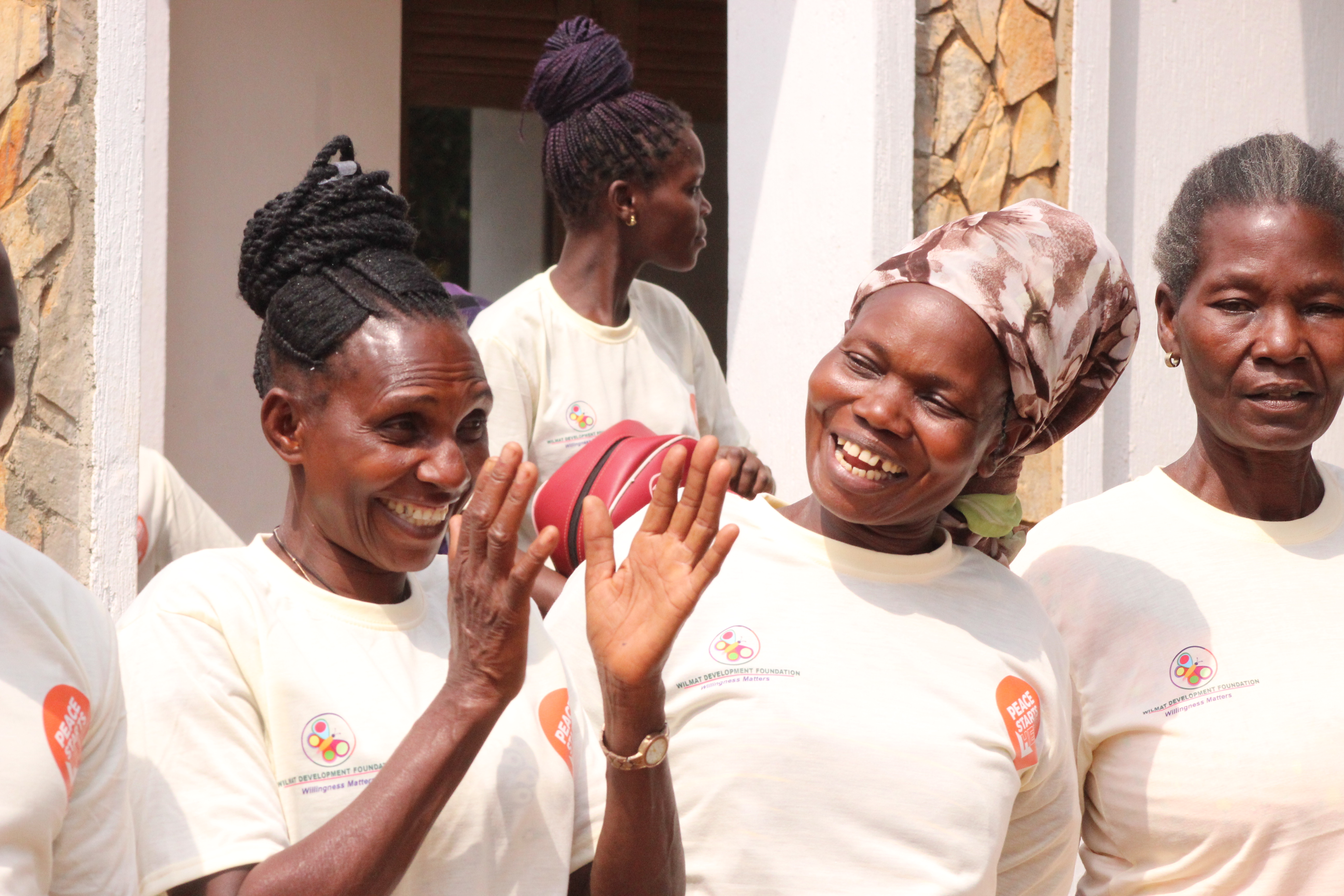
Our partner brought together women who had never before been able to cross ethnic divides. Not only have the women found common ground, they have supported each other through danger, and created an informal warning system when violence is brewing.

Our partner Adeela is changing what crisis response can look like in Sudan with a network of community-driven initiatives, from community kitchens to mobile health convoys. This Emergency Response Room initiative – nominated for a Nobel Peace Prize – saw Adeela feed 12,000 people daily in community kitchens in El Fasher, and much more.
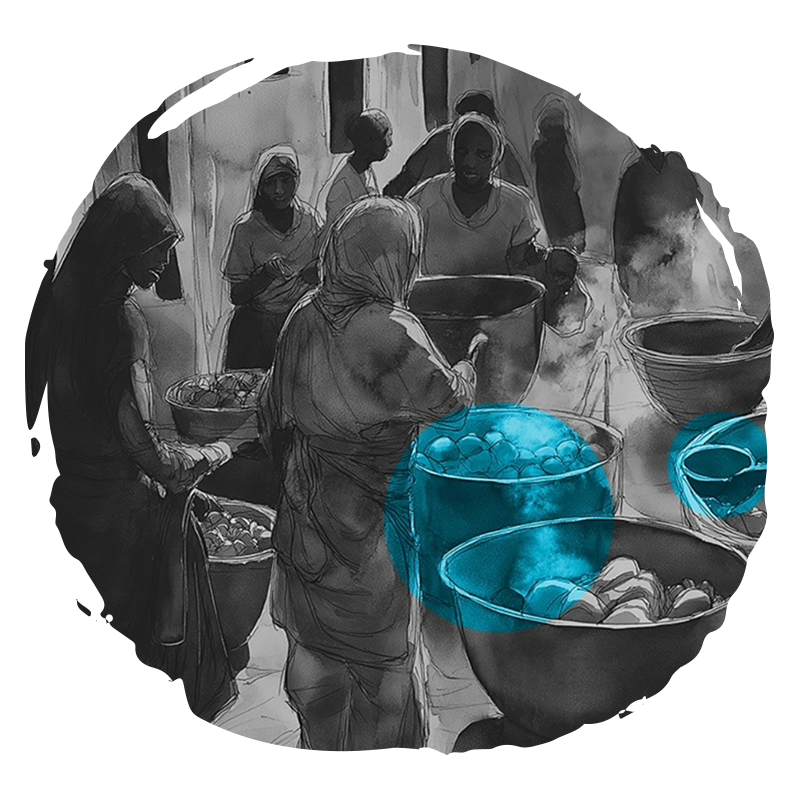
In DRC, FOCHI's pioneering 'Super Peace Courts' are bringing potentially deadly conflicts to the table and resolving them. In 2025, these courts addressed 17 collective conflicts which had been affecting 6,900 households.

“If I continue to do the work I do, I might die. But if I don’t do this work and I see what happens to my people and my country, I will die every day.”
*some of our partners aren’t listed here for their safety.
Partner(s)
Micrograntee(s)

Afghanistan


X Number
Grants provided to 33 women-led organisations; humanitarian support to 1315 families; $18.8k to 15 self-help groups
Zimbabwe
Empowered 60 local Women Peace Champions
Partners: CCMT, Envision
Stories: Protecting people and planet
Syria
Supported 192 children and parents to access education; food baskets to 100 families; facilitated 15 training sessions.
Partners: Child Guardians, Swaadna AlSouriya Organization, Zoom In + 1 micrograntee
Stories: Supporting Syrian schoolchildren; Feeding a city in crisis; Building Salwa’s self-esteem
Sudan
Fed 12,000 people daily in community kitchens in El Fasher; provided 25 microgrants totalling $28k across 10 states to grassroots peacebuilders
Partners: Adeela, Framework Mechanisms
+ 2 micrograntees
Stories: Networking for peace; Emergency response in Sudan
Palestine
Meet our new partner, Dalia Association
Partner: Dalia Association
Pakistan
Established peer-to-peer mentorship; hosted National Youth Peace Festival; helped restore water access.
Partners: CDA, HIVE
Stories: Pakistan’s peacebuilding youth; Avoiding water conflicts
Nigeria
reached 850+ people; tackled gender-based violence
Partners: LEGASI, Peace Initiative Network (PIN)
+ 4 micrograntees
Stories: Livelihood and leadership; Ending inter-religious violence
Myanmar
€80,000 to network distributing essential humanitarian support; tackled misinformation; bridged ethnic divides
Partners: 5 anonymous peacebuilding groups
Stories: A grassroots youth movement; Community solidarity post-earthquake; Healing division; Fighting misinformation; Women supporting women; Keeping civilians safe and informed
Mali
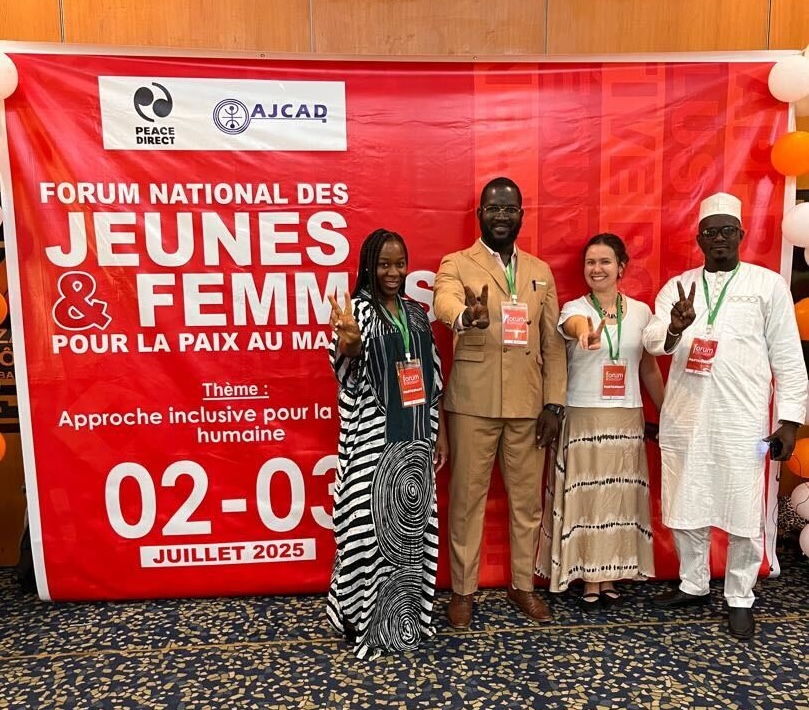
Organised 17 regional dialogues leading to 28 grassroots initiatives; established Community Citizen Centres.
Partner: AJCAD + 2 Micrograntees
Stories: Mali’s youth leaders; Collective voices;
Burundi
Lorem Ipsum
Partners: Anonymous partner
Afghanistan
Grants provided to 33 women-led organisations; humanitarian support to 1315 families; $18.8k to 15 self-help groups.
Partners: Anonymous partner+ 1 Micrograntee
Stories: Grandmother Groups; Women’s Self-Help Groups
Colombia
Convinced government to create Social Service for Peace; launched Champions of Respect, Scorers of Peace campaign; brought 22 young people together to begin creating Observatory for Peace and Youth Disarmament
Partners: Agenda Joven, Justapaz, Redepaz
+ 1 Micrograntee
Stories: Soccer, social media and solidarity; Hope over guns
Democratic Republic of the Congo
Addressed 17 conflicts affecting 6,900 households; 40% rise in community use of early warning system; supported 225 other local peace actors; organised peace forum; food kits and financial support to 50 households during Goma crisis
Partners: Beni Peace Forum, Bureau de Soutien, Centre Resolution Conflicts, FOCHI, NPCYP + 4 micrograntees
Stories: Early warning and women’s inclusion; Amplifying local voices; Extending a helping hand; Reconciliation over retribution; Advocating for peace; Building bridges
Peru
Peru
Peru
Peru
Armenia
Kenya
Kenya
Peru
Azerbaijan
Peru
Georgia
Peru
Azerbaijan
Azerbaijan
Azerbaijan
Peru
Venezuela
Honduras
Columbia
Power, Voice, Visibility, Resilience & Adaptability
In May 2025, we published Peace Direct’s new ten-year strategy. We worked with staff, partners, our Board and our Global Advisory Council, and developed . These discussions resulted in a strategy that prioritises:
Long-term thinking:
A ten-year strategy recognises that peace is a process that requires time and patience.
Integration:
the structure of the new strategy reduces silo working and ensures that all staff can contribute to each goal.
Shifting the power:
the strategy’s goals focus on amplifying the voice, visibility and power of local actors.
Our Four Goals
Power in the peacebuilding and wider system shifts to local actors.
Local peacebuilders and Peace Direct are more effective and resilient, able to adapt to adversity and have greater collective agency to contribute to sustainable peace.

The voices of local peacebuilders will be consistently heard and respected in the corridors of power, across the sector and among their own communities, supported by a strong consistent voice from Peace Direct.

Local peacebuilders, Peace Direct and peacebuilding as an issue will have greater visibility and global understanding, to generate increased support for this work.

Power
Power in the peacebuilding and wider system shifts to local actors.
Resilience & Adaptability
Local peacebuilders and Peace Direct are more effective and resilient, able to adapt to adversity and have greater collective agency to contribute to sustainable peace.
Voice
The voices of local peacebuilders will be consistently heard and respected in the corridors of power, across the sector and among their own communities, supported by a strong consistent voice from Peace Direct.
Visibility
Local peacebuilders, Peace Direct and peacebuilding as an issue will have greater visibility and global understanding, to generate increased support for this work.
Peace Connect
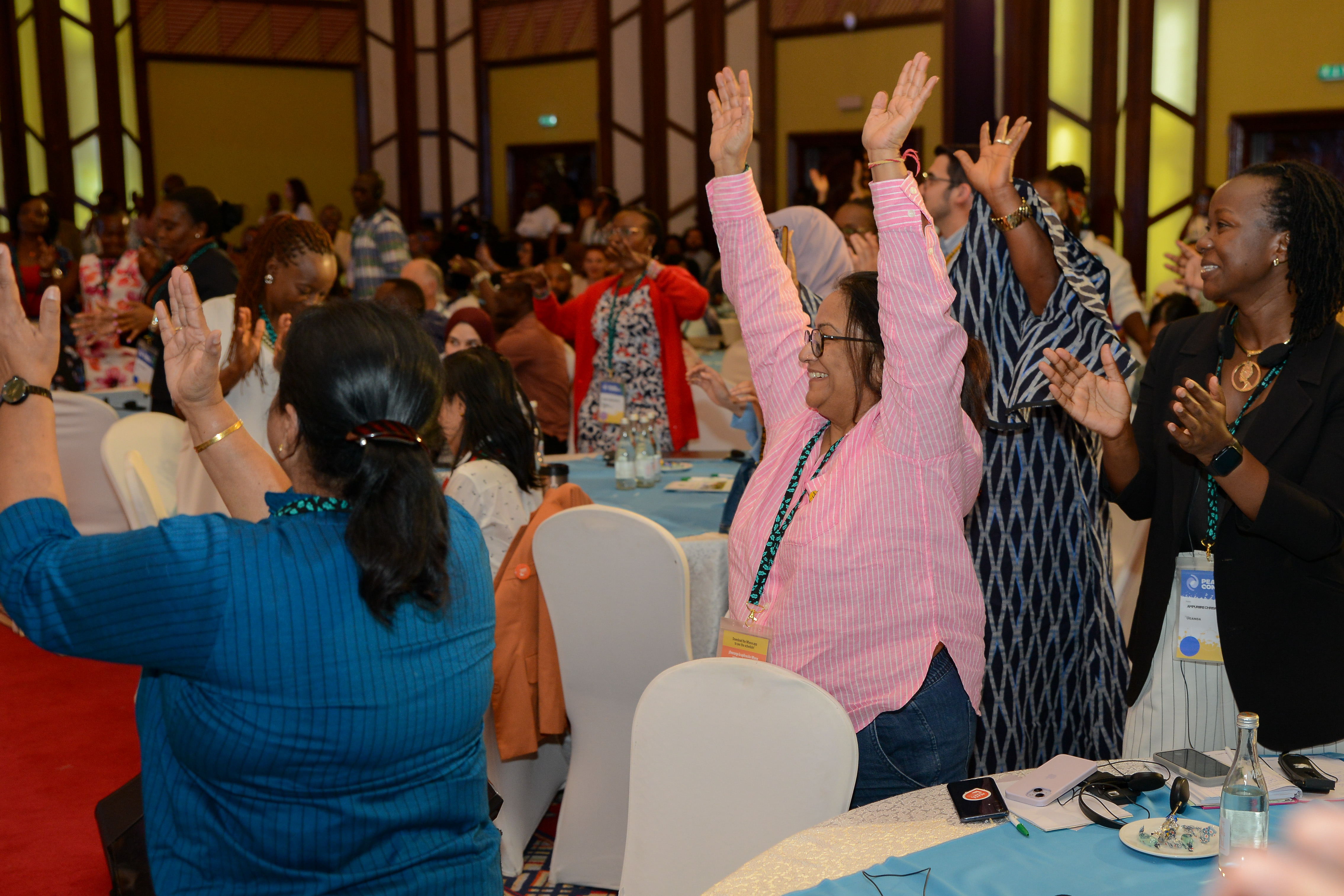
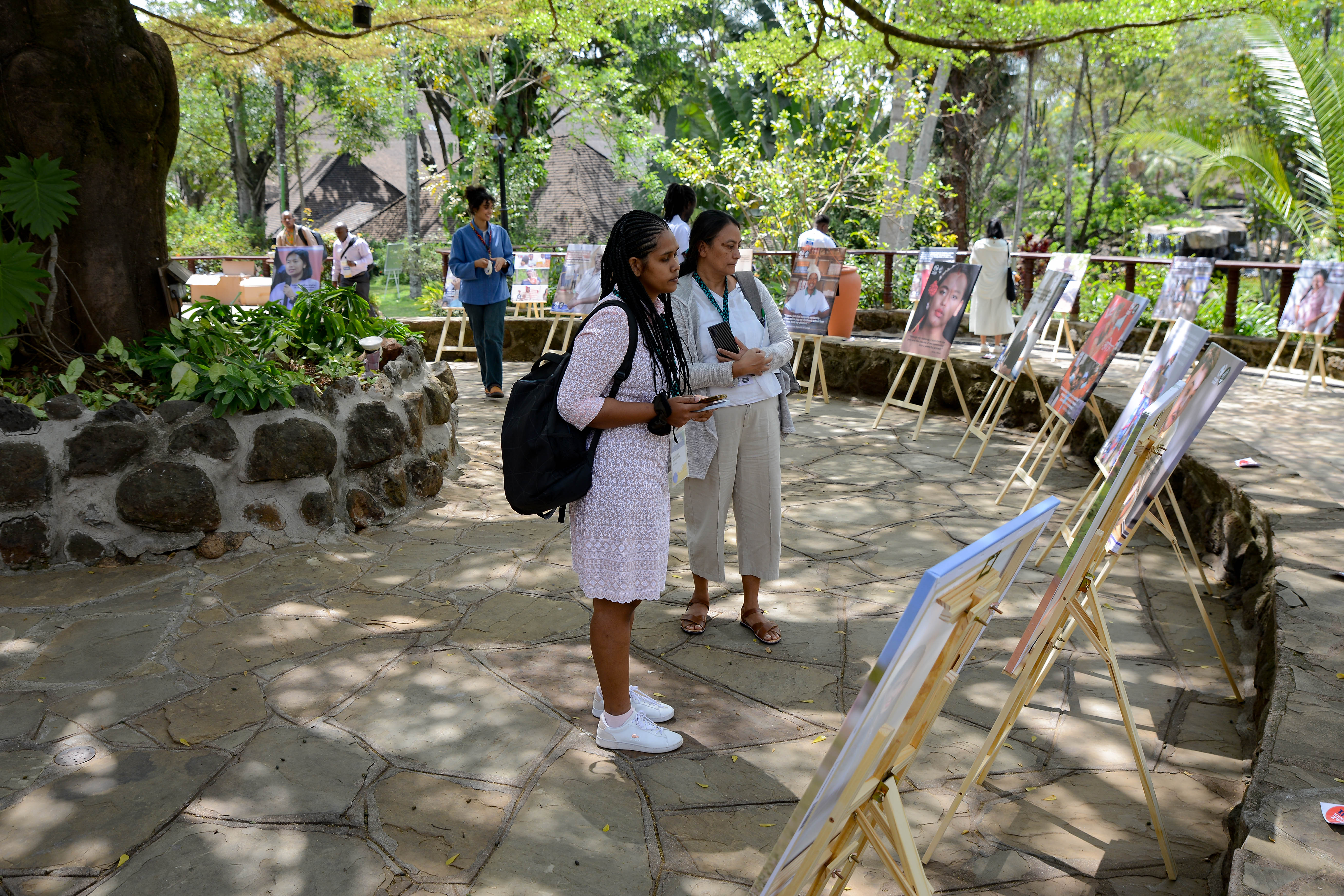
In October 2025, 563 peacebuilders began the journey to Nairobi, Kenya, from 88 countries across the Global South. Their destination? Peace Connect, a first-of-its-kind gathering bringing together hundreds of peacebuilders, co-hosted by Peace Direct and IPHRD-Africa. At this groundbreaking five-day event, we created space for peace actors to think collectively, reflect, rest, and explore what peacebuilding looks like in today’s uncertain world.
“Peace Connect doesn’t end here – we are carrying the spirit of peace”
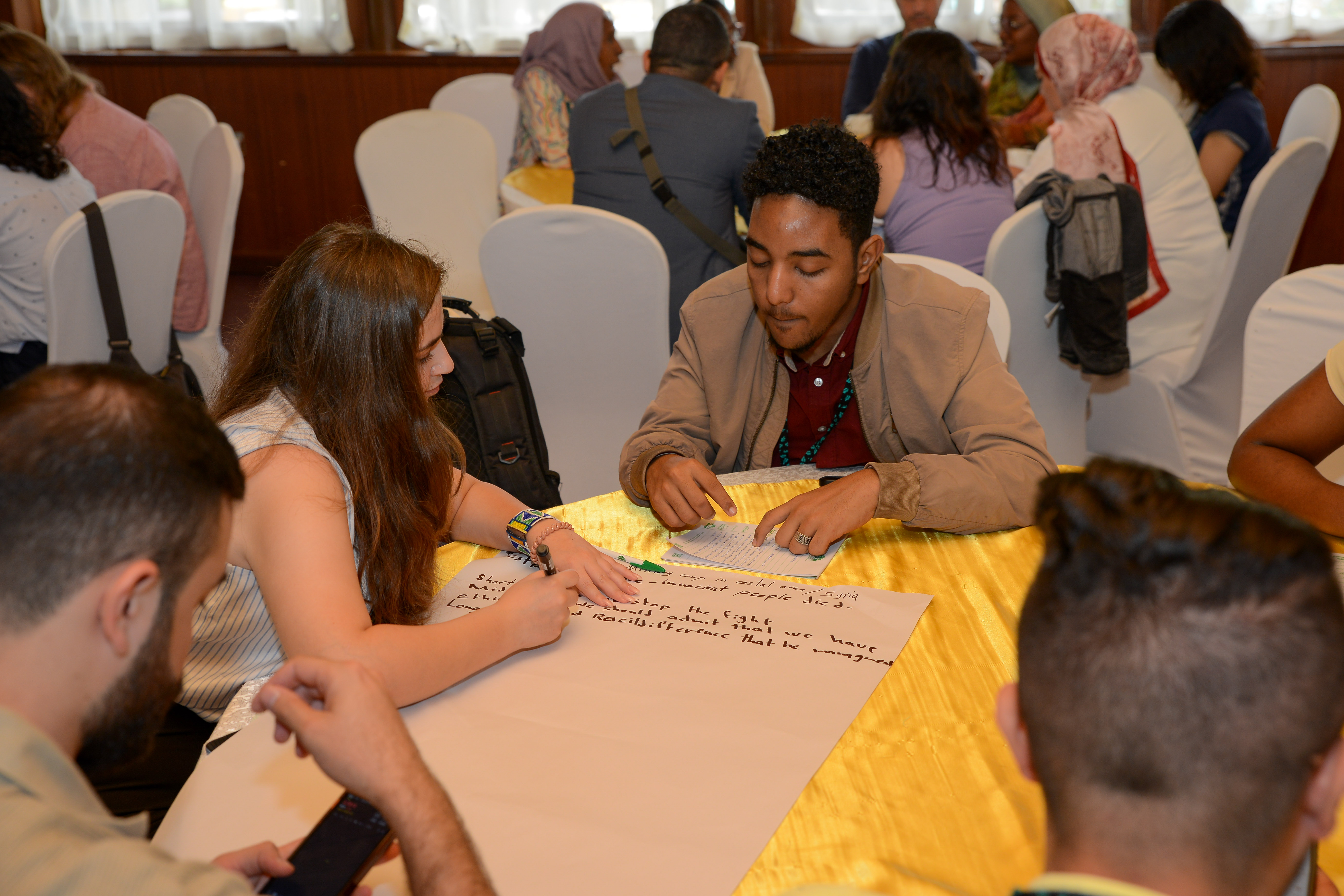
What made Peace Connect different? The agenda was designed and led by participants on topics that truly mattered to them. One participant described it as “the most incredible gathering I’ve been a part of”.
Through discussions, workshops, art, poetry, and a focus on wellbeing and reflection, Peace Connect provided a much-needed and all-too-rare space to build community and solidarity, learn, and facilitate collaborative action, analysis and alliances – but also to simply reflect, slow down, create, rest, and recharge.
The peacebuilders’ reflections highlighted how they will carry the momentum of Peace Connect back to their own organisations and contexts.
94%
said they had established new connections or strengthened existing ones during Peace Connect, while
83%
said they had established new connections or strengthened existing ones during Peace Connect, while
“The gathering deeply strengthened my perspective on shifting power to local peacebuilders. I realised how essential it is to recognise and trust the expertise of those who live and work within conflict-affected communities. Local actors understand the realities, risks, and cultural dynamics better than anyone else. Empowering them with resources, visibility, and decision-making authority is not only fair but also key to achieving sustainable peace and inclusive development”
“It wasn't all easy: there were plenty of challenges raised and it is clear that the needs are relentless within a context of dwindling resources. And yet, despite this reality, solidarity, innovation, and radical hope were so present at Peace Connect.”
"I am taking away deep insights on inclusive and community-led peacebuilding, and the vital role of women and youth in leading these efforts. The conversations around Indigenous wisdom and respect for local cultural peace practices were especially meaningful."
Wellbeing takes centre stage at Peace Connect
We made wellbeing a central theme of Peace Connect - a ‘gamechanger’ according to participants.
"The one free day in the middle of the week was a game changer."
“The #PeaceConnect gathering in Nairobi was a powerful reminder of what peacebuilding can be when it is rooted in solidarity, care, and creativity”
Insights from Peace Connect
Across the 60 sessions convened and hosted by peacebuilders, we captured a wealth of insights through conversations, individual and group reflections, session notes and surveys.
“Our survival is also our resistance and resilience.”
“One important lesson was the value of creating safe spaces where people especially women and youth facing exclusion can share openly and feel supported.”
"Acting together...connectivity is a key tool to fight injustice"
Decolonisation conversations led by Global South actors
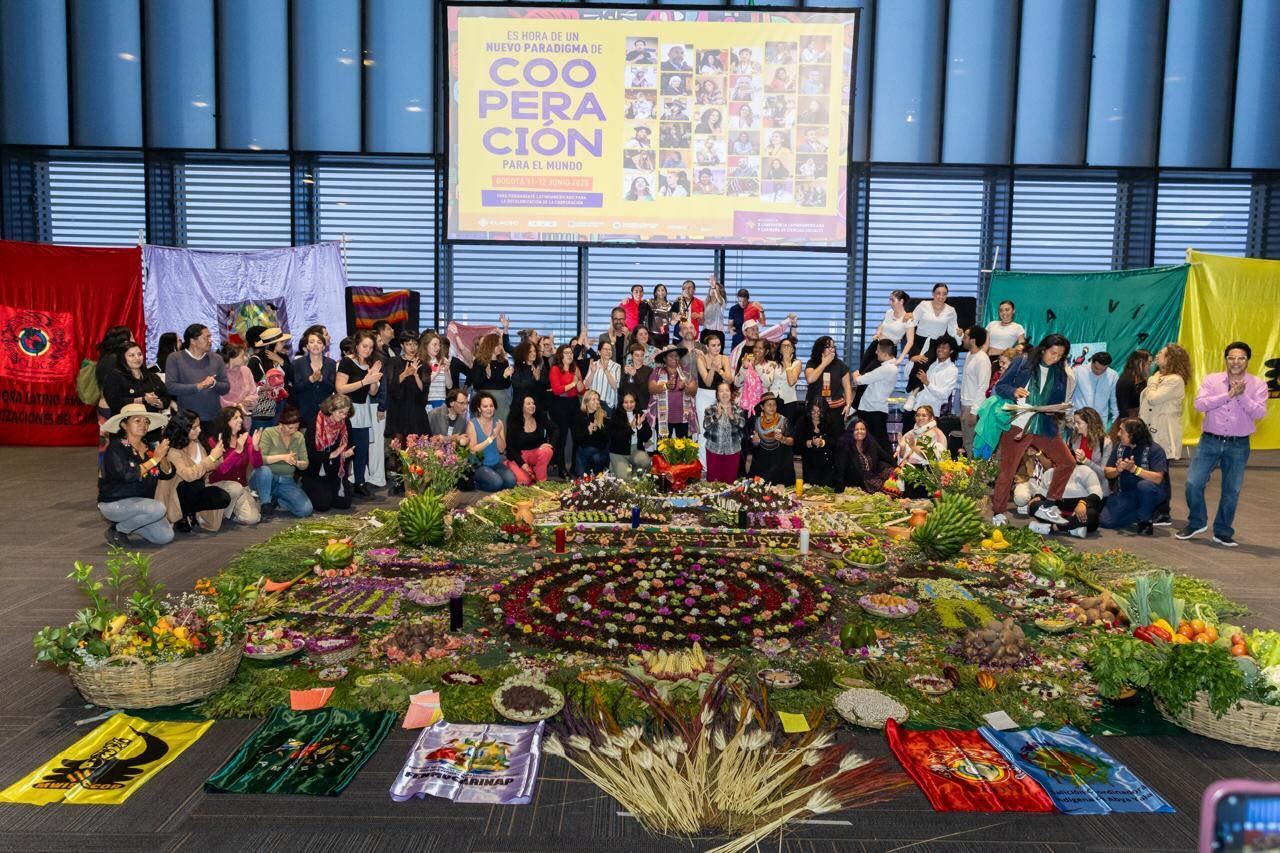
In 2025, we supported Latin American platform AcaPaca in their efforts to rethink how our sector should work.
Local First

a.png)

Our Local First project embodies Peace Direct’s goal of transferring control to local peacebuilders. The project strives to secure better resourcing, recognition and support from the international community for local peacebuilding efforts in four countries – improving the prospects for sustainable peace.
In 2025, we saw the crucial impacts of our partners’ work in Afghanistan, DRC, Mali and Sudan. As well as supporting our six partners to lead peacebuilding activities, Local First also helped our partners - and the wider network of organisations they work in - become stronger and better able to meet challenges. strengthened the resilience of both partners and the wider civil society ecosystems in their contexts.
Through Local First, our partners were able to:
Through discussions, workshops, art, poetry, and a focus on wellbeing and reflection, Peace Connect provided a much-needed and all-too-rare space to build community and solidarity, learn, and facilitate collaborative action, analysis and alliances – but also to simply reflect, slow down, create, rest, and recharge.
1,315
Our partner in Afghanistan delivered humanitarian support to 1,315 families across three provinces.
12,000
In Sudan, Adeela maintained community kitchens serving approximately 12,000 people daily in El Fasher, four kitchens in vulnerable neighbourhoods of Dilling, and one serving hospitals in Kadugli.
$28,000
In Sudan, Adeela supported grassroots peacebuilding through 25 micro-grants to local initiatives across 10 Sudanese states plus Cairo and Kampala, totalling over USD 28,000.
28 CSOs
In Afghanistan, our partner distributed flexible grants to a total of 28 civil society organisations (representing USD 82,500).
$18,750
Through their Self-Help Groups microgrant system, our partner in Afghanistan distributed USD 18,750 in the first round of funding to 15 Self Help Groups.
28 Initiatives
AJCAD held 17 regional dialogues with CLAC leaders and local authorities, including traditional chiefs. These led to 28 different local initiatives on mediation and conflict management.
Increase their responsiveness to evolving conflicts and community needs.
In Eastern DRC, our partner Beni Peace Forum (BPF) strengthened its Early Warning, Early Response mechanism, helping to prevent the escalation of incidents between warring community groups in Beni. BPF also reported increased confidence in the alert systems, with a 40% rise in community reports compared to the previous period.
Become stronger and more resilient.
In 2025, our partner AJCAD in Mali convened 17 Citizen Action Club (CLAC) regional dialogues with CLAC leaders and one national forum for peacebuilders. AJCAD has emerged as one of the loudest voices in Malian civil society, and a champion for the hundreds of smaller networks that depend on more established groups to make themselves heard.
Connect with other local peacebuilders, resulting in increased collective deliberations, decision-making and action.
Our partner in Sudan, Adeela, provides office space in Kampala to enable civil society networks to continue to operate, and 12 organisations and initiatives use this space monthly. Adeela also launched a microgrant facility to support grassroots civil society initiatives that were directly affected by US funding cuts.
Increase their participation in local, national and international peacebuilding efforts.
In Afghanistan, our partner provided flexible grants to a total of 33 women-led organisations. They also supported self-help groups that focus on women’s economic inclusion and empowerment, while giving them a space to build solidarity and mutual support links.
Our partners: saving lives through crisis response
Local peacebuilders are lifelines in times of crisis. In 2025, they led humanitarian support for civilians affected by conflict in Sudan, Myanmar, and beyond.
Community organisations play a crucial role in providing support and resources to those affected by disasters. They coordinate efforts to distribute essential supplies such as food, water, and medical aid to the victims. Additionally, our people work tirelessly to ensure accurate information reaches affected communities.
Small grants, big impact
Big change doesn’t just come through big organisations, or big pots of money. In 2025, our partners shared funding with small, grassroots peacebuilders whose innovative solutions have had a big impact.
"The microgrants process embodied thoughtfulness, empathy, trust, partnership-building, and collaboration. It became a living example of why the campaign exists in the first place."
Building civil society resilience in Syria
Child Guardians, one of our partners in Syria, has led a project to strengthen Syrian civil society in the midst of the historic fall of Assad.
"International aid is depleting… Local communities should be considered co-funders for the projects they are supposed to benefit from, given their vast experience and resources."
Peacebuilders heard in halls of power
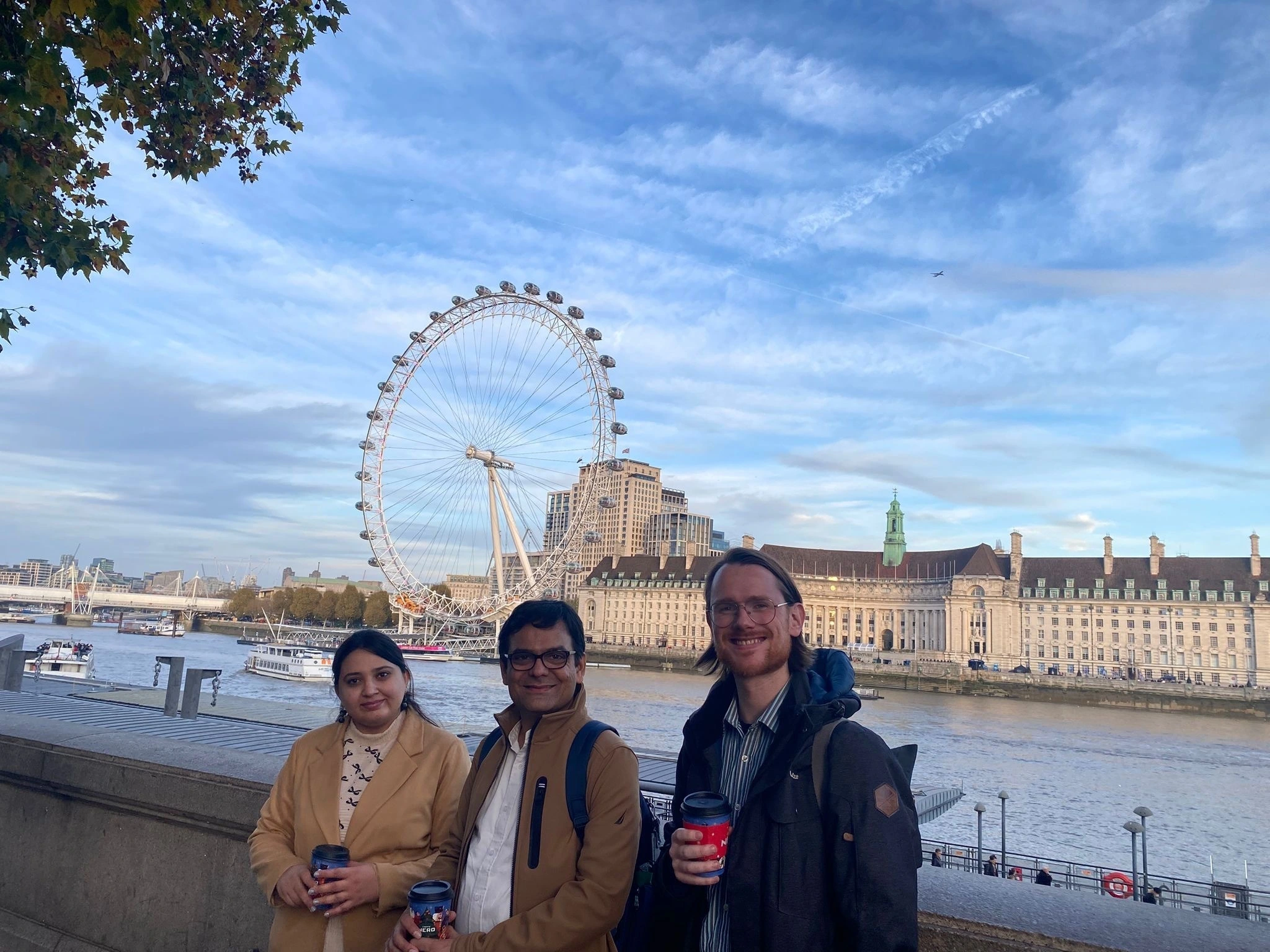
In 2025, Peace Direct continued to advocate for local peacebuilders to be given the recognition they deserve – from ensuring their voices are heard in international forums to increasing investment in their work.
We’ve sat beside our partners and other peacebuilders at the UN, with UK Members of Parliament, EU officials and in the halls of US Congress. In 2025, Peace Direct directly supported four partners from the DRC, Myanmar and Pakistan to join the annual CSO-UN Dialogue on Peacebuilding in Geneva – a critical achievement, given that this is a space where local peacebuilders’ voices are rarely heard.
We also worked with the four partners to co-lead an event with the UN Peacebuilding Support Office on measuring peacebuilding, and supported Afghan women to advocate at the UN Commission on the Status of Women.
Every time, we’ve ensured people with power are listening to peacebuilders, and backed them up every step of the way.
Young peacebuilders in Mali find solidarity
In Mali, our partner AJCAD organised a National Forum for Youth and Women, exploring the roles of women and young people in advocacy and leadership.
In consultation: local peacebuilders respond to funding cuts
When funding cuts hit our sector in early 2025, local voices were missing in conversations about the future. We facilitated a consultation for hundreds of local peacebuilders to safely share the impact of these cuts, and what they believed should happen next.
“The funding cuts […] pushed us to rediscover indigenous resilience methods and to deepen South-South cooperation. We found unexpected opportunities to build more horizontal partnerships with peer organisations, which felt less extractive and more reciprocal compared to traditional Global North-Global South relationships.”
A collaborative response to escalating violence in DRC
When violence dramatically escalated in DRC in early 2025, we worked closely with our local partners to ensure their voices were heard by UN and UK officials.
Peace Starts Here

The work of local peacebuilders is scarcely reported, and almost always under-resourced. We want to change that, so we’ve supported local peacebuilders to launch a global campaign.
For the past three years, Peace Direct has facilitated a cohort of local peacebuilders from around the world to create Peace Starts Here.
“This campaign is relevant, necessary, and powerful. It has a huge role in breaking the wall that separates activists and much-needed support.”
This campaign aims to give local peacebuilders the visibility they deserve, striving for a world where peacebuilding is locally led and globally championed. Peace Starts here celebrates the efforts of local peacebuilders. It also seeks change, to ensure local peacebuilders are better recognised and supported, so that the peace they build can last.
Over 1500 people have joined the campaign. In 2025, the campaign culminated in the emergence of a wider network across 26 countries, amplifying local ownership and offering resources for peacebuilding efforts and collective action.
Make space for local peacebuilders to lead.
Fund more local peacebuilding efforts.
Support and strengthen local peacebuilders.
Centre peacebuilding around local people.
Learn from local peacebuilders.
Telling Real Stories of Peace
The Peace Starts Here campaign has showcased the incredible work of peacebuilders globally, bringing their stories to tens of thousands of people from 158 countries.
“One of the most rewarding aspects has been helping to share and amplify the voices of local peacebuilders, whose dedication continually inspires me.”
Building a movement for peace (public campaigning)
Lorem ipsum dolor sit amet, consectetur adipiscing elit. Sed feugiat dapibus ex, in dictum magna. Sed luctus ornare pretium. Quisque et euismod velit. Morbi lacus est, congue at tellus sit amet, pharetra molestie massa. Aliquam pretium aliquam est, sed aliquet sem consectetur vel. Nulla nibh urna, eleifend et lorem non, bibendum eleifend augue. In euismod viverra elementum.
“Quote can go here”
Taking action for Syria
In 2025, Peace Direct worked with one of our Syrian partners, Child Guardians, on a different kind of fundraising appeal. We created a co-appeal, splitting the income 50/50 - a practice that is uncommon in our sector, but one we’re keen to build. Together, we raised £4,176 in just a few months.
“The path of sustaining peace will be easier in partnership – so what are you waiting for?”

You can support local peacebuilders, protecting their work to make sure peace lasts. Donate today, making a regular gift, or increase your month donation:

If you're interested in making peace a part of your legacy, please get in touch with us about making a gift in your will.

Get in touch with us about any aspect of our work, or let us know what you thought of our report:
In 2025, a growing movement of values-driven businesses chose to stand alongside local peacebuilders and make a real difference.
Sustainable print company Teemill is helping us reach new audiences and generate vital income through our online store, where every purchase of a t-shirt translates into support for communities rebuilding after conflict. Meanwhile, a team from global financial firm Ebury laced up their running shoes and took to the streets, raising funds and awareness for the transformative power of local peacebuilding.
Ben & Jerry's, the iconic ice cream brand whose identity is built on "Peace, Love & Ice Cream", put those words into action by providing Peace Direct with flexible funding, supporting the work of local peacebuilders across the world.
And in one of her final acts of advocacy, the late Vivienne Westwood ensured her legacy would be one of action. The Vivienne Foundation chose Peace Direct as a partner for their first ever limited edition t-shirt campaign, channelling proceeds through their powerful "stop war" pillar of change.
These partnerships are proof that peace is not just possible, it is something businesses are actively choosing to invest in. To every partner named here, and to all those working with purpose and integrity to shift power to local communities: thank you. Together, we can build peace that lasts.
We exist to support local peacebuilding, and we are endlessly grateful for the incredible work our partners, and the wider ecosystem of local peacebuilders, do around the world.
We sincerely thank all of our supporters – from the members of the public to trusts, foundations and governments who put their faith in us. We are particularly grateful for the kindness of those who donate regularly, and to those who have remembered Peace Direct with a gift in their will, ensuring peace is possible in the years ahead. Thank you also to those who shopped on the Peace Direct store, not only contributing vital funds through kind purchases, but also showing solidarity with peacebuilders around the world by wearing the values that we share.
As in previous years, we would like to thank Google for providing us with a free advertising grant, which helps drive traffic to our website to increase the visibility of the work of local peacebuilders.
We’re grateful to the values-driven businesses who chose to partner with Peace Direct this year – Ben & Jerry’s, Teemill, Ebury, and The Vivienne Foundation. This was not just solidarity, but active, creative and tangible support.
Thanks to the designer of this report, Alexander Heming-Johnson.
Last but never least, Peace Direct’s staff, interns and Board should be recognised for their dedication and hard work to ensure that we advance in our mission every day. 2025 demanded considerable flexibility, effort and creativity, and the impact we made is the fruit of that.
Heading 1
Heading 2
Label
Lorem ipsum dolor sit amet, consectetur adipiscing elit, sed do eiusmod tempor incididunt ut labore et dolore magna aliqua. Ut enim ad minim veniam, quis nostrud exercitation ullamco laboris nisi ut aliquip ex ea commodo consequat. Duis aute irure dolor in reprehenderit in voluptate velit esse cillum dolore eu fugiat nulla pariatur. Excepteur sint occaecat cupidatat non proident, sunt in culpa qui officia deserunt mollit anim id est laborum.
Lorem ipsum dolor sit amet, consectetur adipiscing elit, sed do eiusmod tempor incididunt ut labore et dolore magna aliqua. Ut enim ad minim veniam, quis nostrud exercitation ullamco laboris nisi ut aliquip ex ea commodo consequat. Duis aute irure dolor in reprehenderit in voluptate velit esse cillum dolore eu fugiat nulla pariatur. Excepteur sint occaecat cupidatat non proident, sunt in culpa qui officia deserunt mollit anim id est laborum.
Lorem ipsum dolor sit amet, consectetur adipiscing elit, sed do eiusmod tempor incididunt ut labore et dolore magna aliqua. Ut enim ad minim veniam, quis nostrud exercitation ullamco laboris nisi ut aliquip ex ea commodo consequat. Duis aute irure dolor in reprehenderit in voluptate velit esse cillum dolore eu fugiat nulla pariatur. Excepteur sint occaecat cupidatat non proident, sunt in culpa qui officia deserunt mollit anim id est laborum.
COUNTRIES